Twelve lessons on stickability in ministry
Why do some people seem to flourish and thrive in ministry while others struggle and leave? Sally Nash shares her research
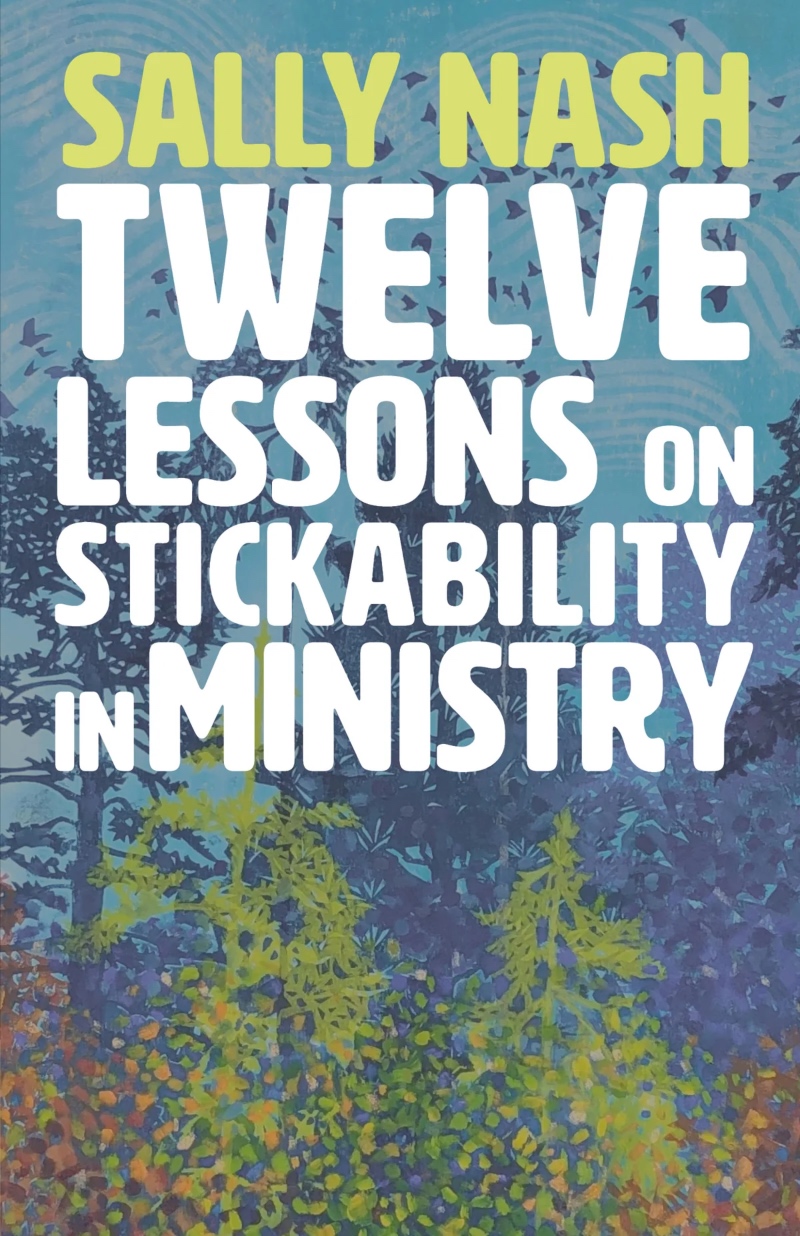 This is a question I have been living with for more than 30 years and was the topic of my first piece of academic research.
As I am now in the latter stages of substantially working in ministry I wanted to revisit this question. Part of the motivation was that I had completed more than 40 years and generally flourished but a conversation with my spiritual director helped me to reflect on those who had a different story.
I also had a grant from the trustees of St John’s College, Nottingham as they closed which gave me some space to write. However, I didn’t want to just tell my story so I reached out through networks and social media to others who had spent at least 20 years with their main vocational focus being in ministry and ended up with a book reflecting more than 3,000 years of experience! I am grateful to all of those who shared their experiences with me, often at a cost as they recalled challenging times.
The one thing I want to say upfront is that I have no desire to shame or rebuke or condemn those who have left ministry for whatever reason. My earlier research and now this helped me to recognise that most (although not all) of the issues causing people to leave ministry prematurely or unexpectedly are structural and cultural and systemic, and my hope in writing this book is to help those who have the power to change things to reflect on some of these issues.
I didn’t start the book with the idea of 12 lessons – that number emerged as I reflect on the material from 102 participants along with my own experience – both personally and as someone who has trained people for ministry for 40 years. My first two lessons are the ones I think are most important but the remaining ten may be ones to dip in and out of at different times depending on what is going on – although thinking about the relevance of all of them may well be helpful.
My first lesson is understand who I am and what I am called to – issues of identity and vocation. Self-awareness is such an important dimension of ministry, without it we can either end up getting hurt or hurting others. I needed to know some of my students saw me as scary to understand how they reacted to me. I certainly wasn’t purposefully scary – a quiet, not mega-demonstrative introvert made me harder to read perhaps – as well as being the boss.
Understanding the importance of loving ourselves and where we are in appreciating that we are God’s beloved (as Henri Nouwen encourages) has been an important part of that for me – if I am not able to love myself well then I may struggle with loving God and others too. The book has a diverse range of vocational experience in it and the stories shared can both give hope and encouragement, but also reassurance that it’s not just me who struggles here.
The second lesson is root ourselves in spiritual practices. This may well be obvious but sometimes easier said than done. I am immensely grateful to my Baptist church adolescence which built good habits in me and encouraged me to keep this structure whether I felt like spending time with God or not.
Latterly, my spiritual practices have become more expansive, exploring Ignatian spirituality and then Celtic spirituality and understanding God speaking through creation in a way that wasn’t part of my earlier experiences. The book includes a poem at the end of each chapter to reflect on – the creativity of the contributors offers a different angle on the topic. We are all made in the image of the Creator God and finding the sort of creativity we can connect to may be a useful alternative spiritual practice outside of the prayer, Bible reading and worshipping together which was where I started.
Other lessons are around thinking theologically, making wise choices, rhythm of life, companions on the journey, boundaries, vulnerability, lament and loss, challenging times, learning, starting and finishing well. Lots of these are things I didn’t get taught enough on at theological college.
I want to finish with a quotation from one of my participants:
Ultimately, I’ve learned integrity is fundamental to emotional resilience in ministry. If you are always able to say that you did your best with who you were and what you had in your hands at the time and that you acted in line with your values, even when costly, you might just make it through.
I wonder what your piece of advice would be?
The Revd Dr Sally Nash is Senior Research Fellow St Padarn’s Institute and a freelance theological educator
She is the author of Twelve Lessons on Stickability in Ministry (2026), published by Sacristy Press
Do you have a view? Share your thoughts via our contact form
14/07/2026