The Middle Eastern Jesus, by Nadim Nassar
'This book by a Syrian priest in the Church of England has many valuable insights, alongside some questionable assertions'
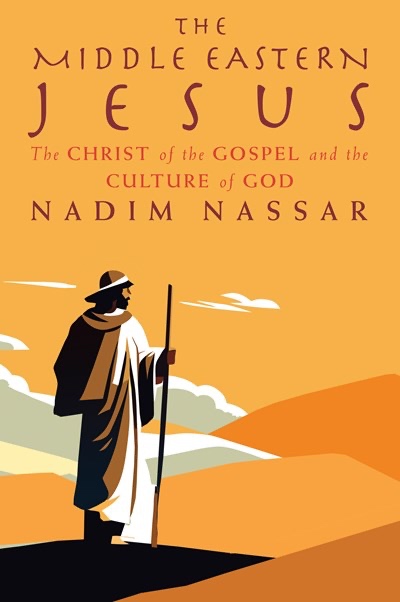 The Middle Eastern Jesus - The Christ of the Gospel and the Culture of God
By Nadim Nassar
Canterbury Press
ISBN: 978 1 78622 571 9
Reviewed by John Matthews
This book, sub-titled ‘The Christ of the Gospel and the Culture of God’, is by a Syrian priest in the Church of England, whose background gives him a particular perspective on Jesus.
He believes that the culture of the Triune God ‘which allows us access to the heart and mind of the Trinity’ is manifested in Jesus as love, not least in loving our enemies. He criticises Justin Welby using Augustine’s just war theory to support bombing Syria, and commends Pope Francis’ rejection of this theory.
We need to understand the culture of the text to comprehend its meaning. For example, against the modern interpretation of Jesus’ parable of the widow and the judge as an encouragement to pester God with requests, the author points out that widows were seen as figures of weakness, vulnerability and shame, and suggests that the parable expresses God’s generosity to even the most humble. He also recognises that we need to understand the heart of God in the text as well as its culture.
He sees the churches of the Middle East as trapped by domestic and international players and struggling to cope. ‘The role of the Church in Syria has turned from that of a beacon of light to being a co-op’ with people coming to be fed physically not spiritually. He believes that the Church is failing to live up to its calling and that thousands of its leaders are treating the scriptures like the Pharisees did in Jesus’ day.
There are chapters on Jesus’ teaching about money, peace, family, women, power, the parables, foreigners and leadership. These contain helpful cultural insights, including the custom of using leftovers in the next meal, which explains the disciples collecting up the leftovers after the feeding of the 5,000, as well as details of the parables of the Prodigal Son and the Good Samaritan.
Nassar argues that Jesus did not say that no one came to God except though him, but that no one would call God the Father who did not believe in God in the Son, and points out that when the whole of society moves towards a more conservative religious position, it means a more secondary role for women.
The book has many valuable insights but also some questionable assertions, including Christ paid with his life for caring for the poor, he transformed the life of Mary Magdalene from immorality to sainthood, right and wrong are relative, Christians have no enemies, and Jesus revealed daily his desire to be with the Father and if the cross was the only way to do this he was happy to embrace it.
To end on a positive note, as the book does, the author asserts that ‘The Middle Eastern Jesus teaches us that when we recognise our need for God every minute of our lives, this does not mean rejecting those who do not share our faith. God gives us his light to see that every single human being is our neighbour’.
John Matthews is a retired Baptist minister living in Rushden, Northants
23/10/2026