Polyphonic God, edited by Israel Oluwole Olofinjana, David Wise, Usha Reifsnider
'Approachable book raises a multitude of valuable questions. Are there silent voices in my church God wants me to hear from?'
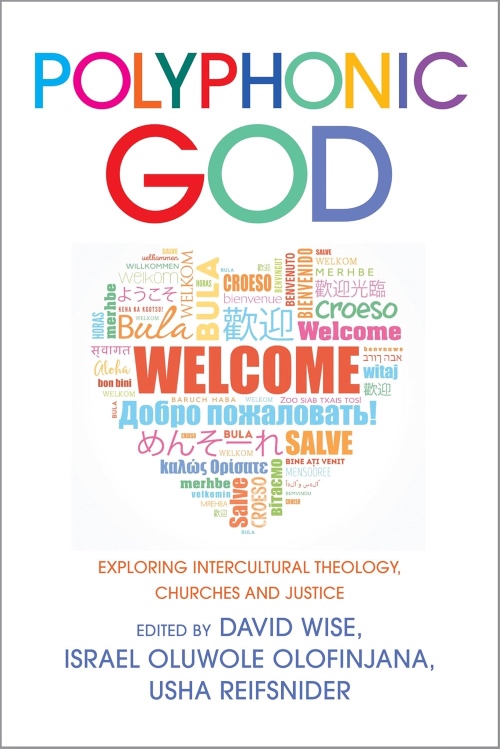 Polyphonic God - Exploring Intercultural Theology, Churches and Justice
Edited by Israel Oluwole Olofinjana, David Wise and Usha Reifsnider
SCM Press
ISBN: 978-0334066583
Reviewed by Keith Wilson
Polyphonic means to produce or involve many sounds or voices. In a cultural climate increasingly defined by prejudice and an anti-woke backlash, ‘Polyphonic God’ brings together a number of different voices from around to UK to explore intercultural theology and practice in our churches. Each author brings to the book their insights based on lived experience and the practice of a Christianity that has too often been tainted by racial injustice. As a white, middle aged church leader I found much of the book to be an uncomfortable, if essential, read. It was a reminder that rarely are my privileges noted yet alone challenged.
The opening section sets the historical context for the current intercultural debates with careful attention given to the use of language. An emphasis of the book is on our need to listen to a God who speaks through diverse voices. This made me wonder about the voices we hear in our Baptist churches. Whose voice do we value or exclude in our churches and church meetings? Are we really hearing from everyone God has placed in our churches?
The section on leadership, exposes the use of language around race. Kate Coleman argues that in the Bible there is only one human race and that the biblical emphasis is on ‘the oneness of humanity created in the image of God’. Too often this oneness has been rejected in churches and people from various backgrounds silenced purely because of the colour of their skin or their ethnic background.
Dominic and Catherine De Souza suggest some strategies for addressing this racial injustice. These include diversifying leadership, embracing inclusive worship and listening to one another. For Souza and Souza churches must ‘focus on raising up leaders from under represented backgrounds, equipping them with the tools and support they need to move forward.’ This is a valuable point but raises questions about how to support those already in leadership to change. As a church leader I wonder what I should do with those who already are in positions of authority?
The failure to address existing barriers to change is a slight weakness of the book. Another issue is how dated it suddenly feels. Events during 2025 have exposed societal issues around multiculturalism that this book, despite its recent publication, fails to address. If we are to listen to the differing voices in our congregations, should we also seek to listen to those who feel excluded by moves towards a more inclusive and intercultural society? The absence of certain marginalised voices, notably those from a white, working class background, unbalances to an extent the ‘polyphonic’ claims of this book.
This approachable book raises a multitude of valuable questions. The book has, creatively, brought together and restated arguments made elsewhere, and in this respect it is an excellent summary of where we are and how we got to this place. Taking lived examples from places such as Edinburgh and Belfast helps to illustrate the UK wide nature of interculturalism. This is a challenge that many areas and many churches face.
In exposing the problem, and suggesting some ways forward, the book leaves the reader desiring to hear more. Who will I listen to as a result of reading this book? And are there silent voices in my church that God wants me to hear from?
Keith Wilson is the pastor of Slough Baptist Church, a town centre congregation which people from over 42 differing nationalities call home
Baptist Times, 27/02/2026